The real estate market in Bhubaneswar is witnessing rapid growth, and one of the biggest reasons behind this transformation is large-scale infrastructure development. In real estate, infrastructure plays a direct role in increasing property demand, improving connectivity, and boosting long-term appreciation. Whenever a city experiences better roads, metro connectivity, commercial expansion, and urban modernization, surrounding property prices naturally begin to rise. Bhubaneswar is currently entering a phase of major urban transformation where multiple infrastructure projects are expected to reshape the city’s future and create strong opportunities for homebuyers and investors.
One of the most important projects driving future real estate growth in Bhubaneswar is the Capital Region Ring Road, also known as the Bhubaneswar Bypass project. This massive 111-kilometer six-lane access-controlled ring road is being developed to reduce traffic congestion and improve connectivity between Bhubaneswar, Cuttack, and Khurda. The project is expected to significantly improve transportation efficiency while opening up new growth corridors around the city. Infrastructure experts believe that areas connected to the ring road will witness major residential and commercial development over the next few years because improved road connectivity generally leads to stronger real estate demand and appreciation.
Another major infrastructure development boosting Bhubaneswar’s property market is the elevated corridor project connecting Jayadev Vihar to Nandankanan. The 9.5-kilometer elevated road corridor is designed to improve traffic flow along one of the city’s busiest routes. With increasing urban traffic and expanding residential demand, projects like these are becoming extremely important for improving daily commuting convenience. Better traffic management and smoother urban mobility often increase the attractiveness of nearby residential areas, leading to stronger property demand in surrounding locations.
The proposed metro rail development in Bhubaneswar is also expected to become a major game changer for the city’s real estate market. Metro connectivity has historically transformed property markets in many Indian cities by reducing travel time and increasing accessibility between residential zones, IT hubs, commercial centers, and educational institutions. As Bhubaneswar continues expanding, metro-connected areas are expected to attract higher demand from both homebuyers and investors. Real estate activity near future metro corridors is already gaining attention because buyers understand the long-term appreciation potential associated with improved urban transportation.
Infrastructure growth in Bhubaneswar is not limited only to transportation projects. The Odisha government is also investing heavily in broader urban modernization and civic infrastructure. Under the Mukhyamantri Sahari Bikash Yojana (MSBY), hundreds of urban development projects are being launched across Odisha with a focus on better roads, drainage systems, public infrastructure, housing, and urban amenities. Such developments directly improve the quality of life within cities and increase confidence among homebuyers and investors. Modern civic infrastructure creates organized urban growth, which is extremely important for long-term real estate appreciation.
The Bhubaneswar-Cuttack-Puri-Paradip Economic Region (BCPPER) is another ambitious initiative expected to have a major impact on future real estate growth. This large-scale economic development plan aims to transform the region into a major trade and industrial hub of Eastern India. The project focuses on sectors such as IT, manufacturing, tourism, commerce, logistics, and industrial expansion. As economic activity increases across the region, demand for residential housing, office spaces, rental properties, and commercial infrastructure is also expected to rise significantly. Large economic corridors often create long-term opportunities for real estate investors because they attract employment, businesses, and urban population growth.
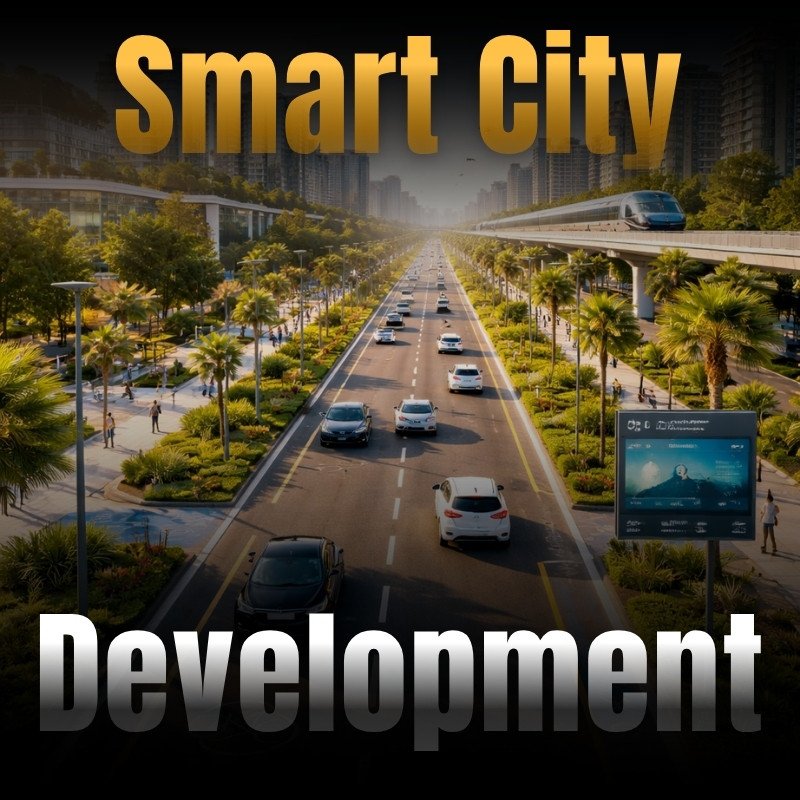
Another important trend supporting Bhubaneswar’s real estate market is the increasing focus on Smart City development and planned urban expansion. Bhubaneswar has consistently gained recognition for organized urban planning, sustainable development, and smart infrastructure initiatives. Government investment in smart mobility, digital infrastructure, traffic systems, and modern public amenities is improving the city’s overall livability. Cities with strong urban planning and modern infrastructure generally attract higher real estate demand because buyers prefer locations that offer long-term urban convenience and future growth stability.
Industrial and technology investments are also contributing to the city’s future real estate growth. Recent approvals for semiconductor manufacturing, advanced materials, renewable energy projects, and industrial expansion in the Bhubaneswar-Khurda region are expected to create thousands of employment opportunities. As industries and technology ecosystems grow, demand for residential apartments, rental housing, commercial properties, and plotted developments naturally increases in nearby areas. Economic growth and real estate growth usually move together, and Bhubaneswar is currently witnessing this transformation rapidly.
Road widening projects, flyovers, bypass developments, and highway upgrades are also strengthening the city’s real estate future. Recently approved infrastructure projects worth hundreds of crores are focused on improving road connectivity, reducing congestion, and enhancing transportation across multiple regions of Odisha. Better transportation networks not only improve commuting convenience but also increase the attractiveness of suburban and developing areas for residential investment. Locations that once seemed distant are now becoming future growth corridors because infrastructure expansion is improving accessibility.
Areas such as Patia, Hanspal, Sundarpada, Patrapada, Tamando, and surrounding corridors are increasingly gaining investor attention because of their connectivity advantages and future development potential. Real estate experts believe that locations connected to upcoming infrastructure projects are likely to witness stronger appreciation over the next few years. As urban growth expands outward from the city center, these developing areas are becoming attractive for both residential and commercial investment.
Another emerging infrastructure-driven trend is the growing interest in riverfront and tourism-based urban development projects around Bhubaneswar. Planned riverfront development and environmental rejuvenation projects are expected to improve the city’s urban appeal and create new lifestyle-oriented development opportunities. Such projects not only improve urban aesthetics but also contribute to higher demand for nearby residential and commercial properties.
Overall, infrastructure development is becoming the strongest driving force behind Bhubaneswar’s real estate growth. Improved roads, metro proposals, economic corridors, smart urban planning, industrial investments, and transportation upgrades are collectively transforming the city into a major urban and investment destination. As connectivity improves and economic activity expands, property demand across residential, commercial, and plotted developments is expected to grow significantly.
For homebuyers and investors, this creates an important opportunity to identify high-growth locations before property prices rise further. Historically, cities experiencing large-scale infrastructure expansion have delivered strong real estate appreciation over time, and Bhubaneswar appears to be entering a similar phase of long-term urban growth. Buyers who invest early in strategically connected areas may benefit greatly from the city’s next stage of real estate development and transformation.




John Doe
Very helpful article! Thanks for sharing these tips.